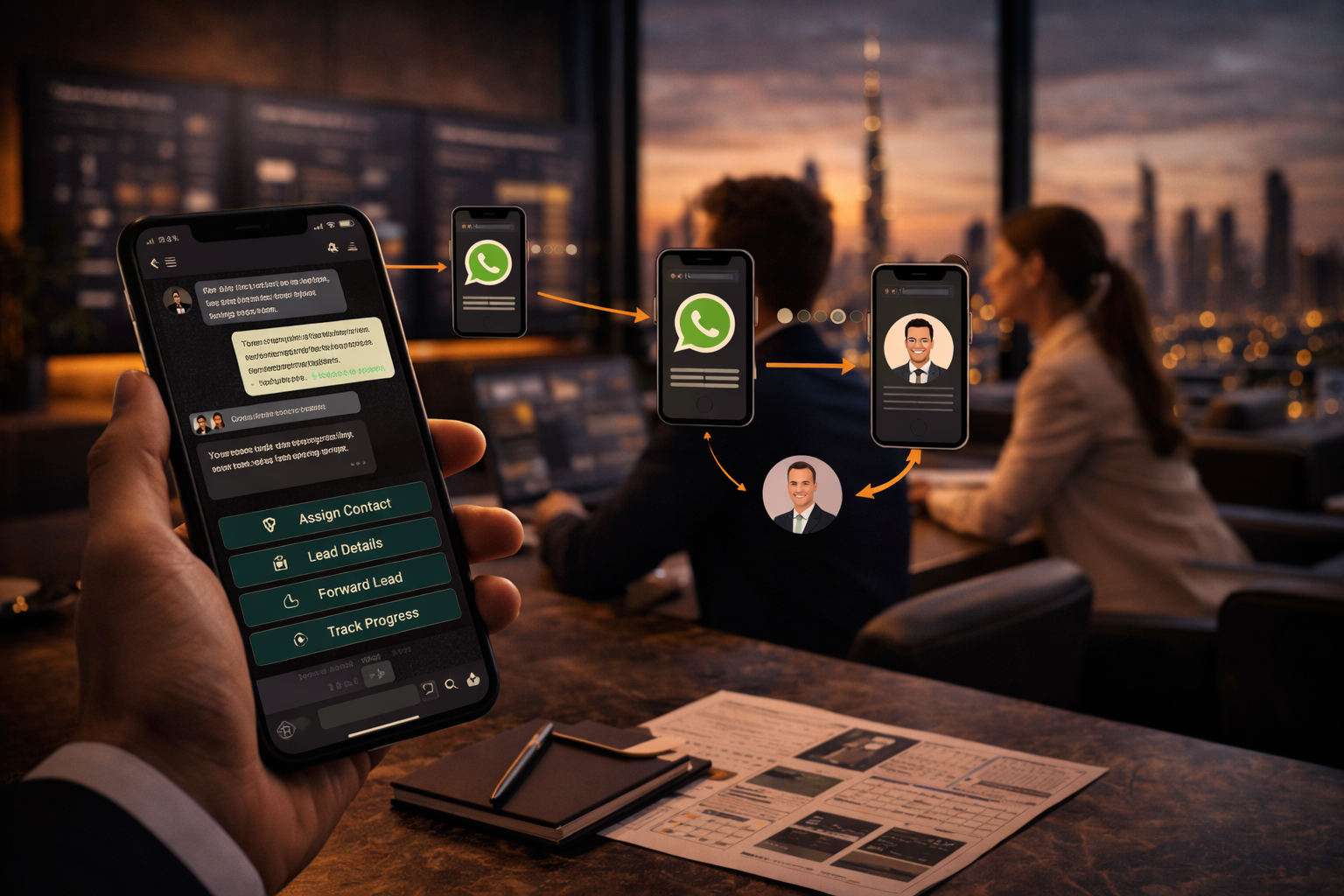
Clinic appointment reminders in Dubai are often discussed as if they were just an admin convenience. In reality, they sit much closer to revenue protection and patient trust. A missed appointment is rarely only a calendar problem. It usually reflects a wider issue in confirmation flow, intake clarity, channel coordination or front-desk visibility. When those parts are weak, reminders become inconsistent, patients hesitate, and the business loses time and capacity that should have been protected.
That is especially important in Dubai because many clinics and wellness brands operate across mobile-first communication, multilingual audiences and fast-moving schedules. A patient may enquire through a landing page, ask a follow-up question on WhatsApp, confirm by phone and then arrive with incomplete understanding of what happens next. If the clinic does not structure that journey properly, a reminder sent at the wrong time or in the wrong format will not solve the real problem.
Where clinics usually lose consistency
The biggest issues usually begin before the reminder itself. Manual reminders are the obvious problem, but they are rarely the only one. Consultation intake is often unclear, channels get mixed between form, WhatsApp and phone, and the front desk lacks a clean view of who confirmed, who needs follow-up and which appointments are still uncertain.
That creates a workflow where staff spend too much time checking status manually instead of managing the schedule with confidence. In many clinics, no-shows and late cancellations look like patient behavior problems when they are actually process visibility problems.
Where clinics lose consistency
The most common breakdowns are usually familiar: manual reminders, unclear consultation intake, mixed communication channels and low visibility for front-desk workload. When those issues stack on top of each other, the schedule starts depending on memory and manual checking instead of on a clear operating flow.
Why reminders fail when the system behind them is weak
A reminder only works well when the patient journey around it is already understandable. If the original booking is unclear, if the patient is not sure what was booked, if the intake request did not explain the next step, or if confirmation is spread across multiple channels, then even a well-timed reminder may land too late or feel disconnected from the actual visit.
That is why reducing no-shows in Dubai clinics is not just about adding one automated message. It is about making sure the patient knows what they booked, when they should arrive, what preparation matters and what action they need to take if plans change. When those basics are missing, the reminder becomes a patch on top of a weak process.
What improves appointment flow first
The strongest setups usually combine a few practical layers. One is a clear consultation or booking request form so the patient enters the journey with less ambiguity. Another is WhatsApp or SMS reminder timing that matches the clinic's actual booking pattern. A third is pre-visit confirmation logic, so the business can separate confirmed appointments from risky ones early enough to act. And just as important, the front desk needs dashboard visibility so staff do not have to reconstruct status manually across channels.
Those changes matter because they improve more than attendance. They also improve how calm and reliable the clinic appears. Patients respond better when the process feels guided instead of improvised.
What improves appointment flow
A stronger setup usually combines clear consultation request forms, WhatsApp reminders where patients already communicate, confirmation logic before the visit and dashboard visibility for the front desk. Those four elements do more than reduce admin noise. They make the booking journey easier to understand for the patient and easier to manage for the team.
Why WhatsApp matters in Dubai healthcare and wellness
In Dubai, WhatsApp is often part of the real communication flow whether the clinic planned for it or not. Patients ask follow-up questions there, confirm time changes there and expect quick clarification there. If reminders and confirmations live only in email while the real relationship sits in WhatsApp, the clinic usually creates friction for itself.
That does not mean every clinic should move everything into WhatsApp. It means the reminder strategy has to match the channels patients actually use. The stronger approach is usually a coordinated model where the booking source, reminder channel and front-desk ownership all align.
Why reminders matter
A reminder system is not only about reducing missed visits. It also improves trust because the patient or client feels guided instead of left uncertain. In clinics and wellness brands, that feeling of clarity often matters almost as much as the message timing itself.
What usually reduces no-shows most effectively
The biggest gains usually come from cleaner confirmation flow, better reminder timing and earlier visibility into uncertainty. A clinic that knows which appointments are unconfirmed early enough can act. A clinic that sees front-desk workload clearly can avoid dropped follow-up. And a clinic that gives patients clearer pre-visit expectations often reduces hesitation before the appointment even becomes at risk.
That is why reminder systems in Dubai clinics should be thought of as operational infrastructure, not just communication add-ons. They reduce missed visits, but they also improve scheduling discipline and patient confidence at the same time.
Best starting point
The strongest way to begin is usually to focus on one service line with regular appointment demand. That might be a consultation-heavy specialty, a wellness treatment category or any line where no-shows are already visible and measurable. Once the reminder flow is tightened there, the clinic can compare confirmation rate, no-show rate and staff effort before and after the change.
That kind of narrow rollout is usually more useful than trying to redesign the entire appointment system in one move. It shows where friction actually lives, how patients respond and what the team needs operationally before scaling the model further.
Clinics in Dubai do not reduce no-shows by sending more reminders alone. They reduce them by creating a clearer patient journey, confirming intent at the right time and giving the team enough visibility to act before an appointment is lost. That is what turns reminders from a basic admin task into a real performance tool.